





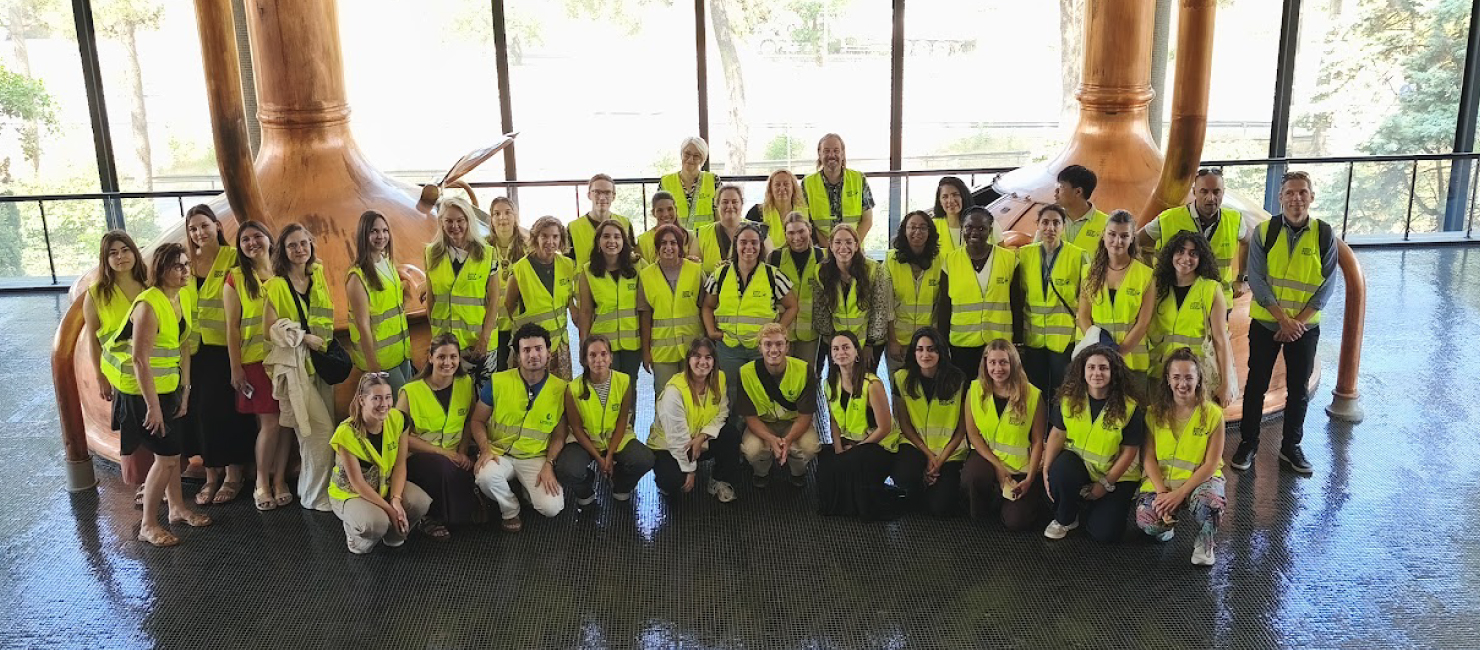
The Erasmus+ AGRIMA project (Agri-food Waste Management for Sustainable Bioeconomy through Higher Education Curricula and Upskilling), coordinated by the Technical University of Porto (UTP) and the Porto School of Engineering (ISEP) and funded by the European Union, has completed two years of international cooperation.
The initiative achieved significant results in training students, upskilling professionals and engaging citizens in the promotion of sustainability and the circular economy. The consortium, which brought together partners from Portugal, Greece, France and Serbia, focused on developing innovative educational approaches and practices for the management and valorisation of agri-food waste, addressing one of the sector’s greatest environmental and economic challenges.
Throughout its implementation, AGRIMA analysed a variety of pedagogical methods to underpin its teaching resources. Among the tools produced are 30 video lectures by international experts, shared free of charge on YouTube, which have already exceeded 2,000 views. The strong emphasis on practical learning also resulted in 46 students being placed in internships, giving them first-hand experience of real challenges in the fields of bioeconomy and environmental efficiency.
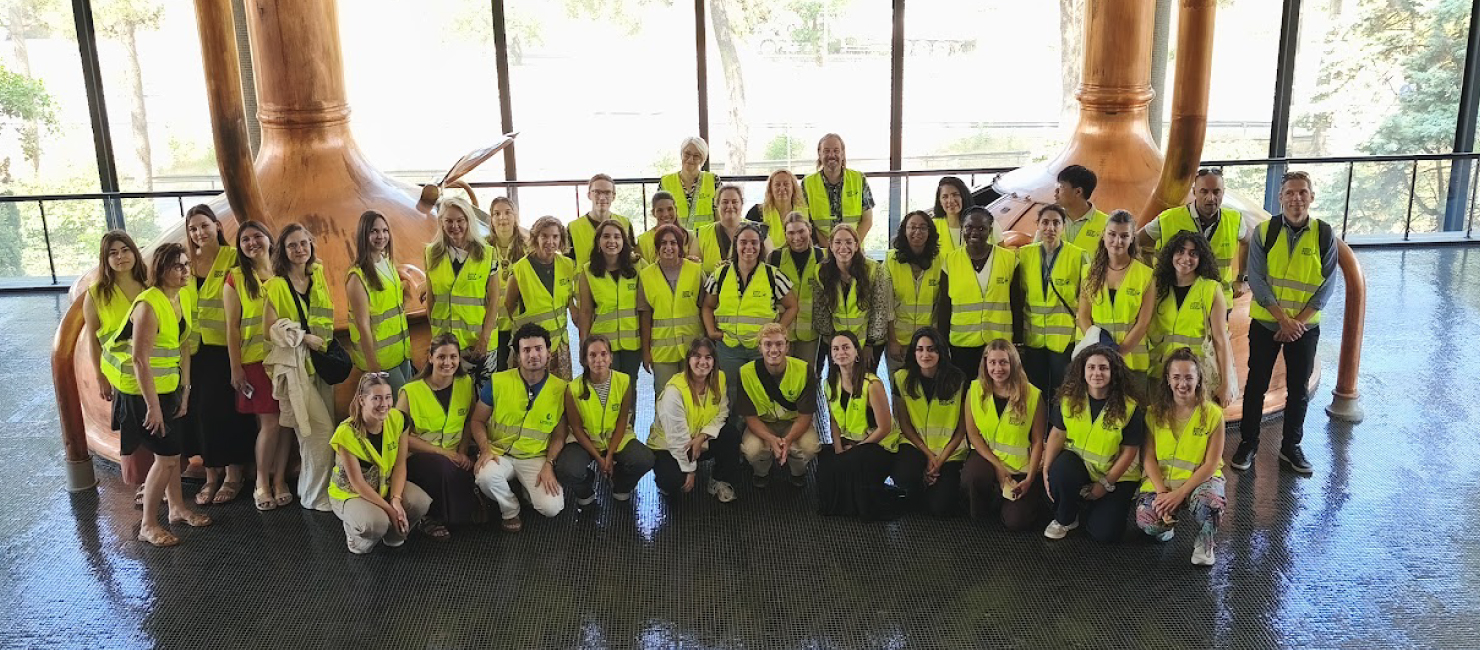
One of the project’s most innovative pillars was the direct involvement of the community through citizen science. The project reviewed existing initiatives and successfully implemented eight specific projects that mobilised 459 participants, including students, researchers, professionals and citizens, raising awareness of food waste. At the same time, the organisation of summer schools, workshops, technical visits and dissemination events brought together more than 140 participants, promoting a crucial transfer of knowledge between academia, the business sector, public bodies and civil society.
All the results, methodologies and tools generated are available in open access, ensuring that the community can continue to benefit from this legacy. The AGRIMA project has shown that agri-food waste represents a strategic opportunity to create value and stimulate innovation, leaving a solid foundation for future European initiatives in the fields of bioeconomy and citizen participation.
Co-funded by the European Union. Views and opinions expressed are however those of the author(s) only and do not necessarily reflect those of the European Union or the Portuguese Erasmus+ Education and Training National Agency (PNA). Neither the European Union nor the PNA can be held responsible for them.
Project code: 2024-1-PT01-KA220-HED-000243242